
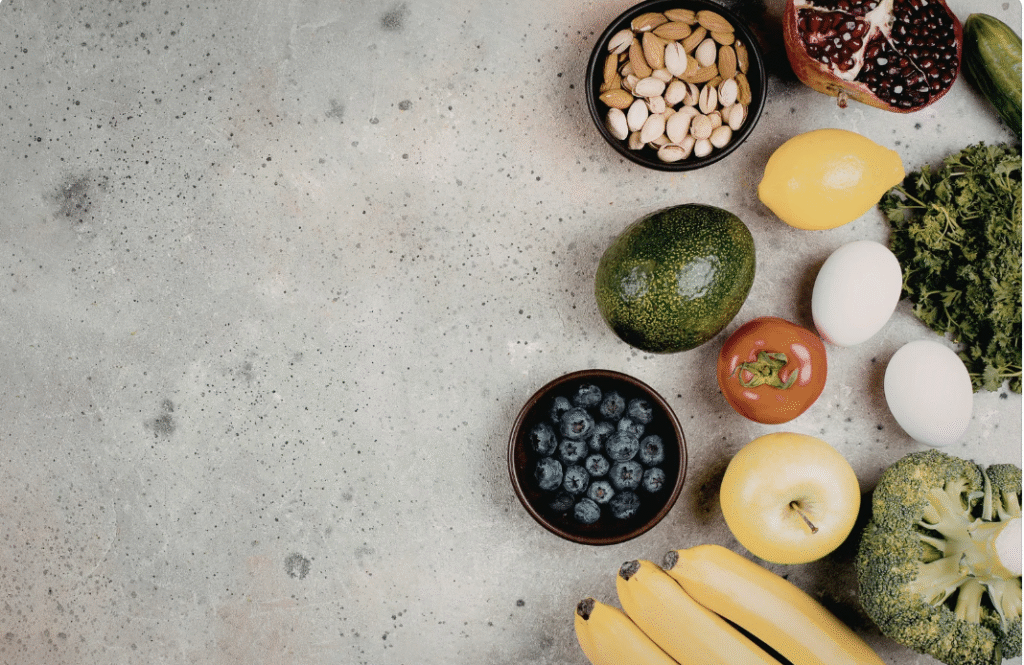
Breastfeeding can be a beautiful way of feeding and bonding with your baby — but most moms worry about milk supply. The truth is, yes, hydration, sleep, and frequent feeding are all crucial, but your diet plays an equally powerful role in producing milk.
There are some foods which have been believed to increase breast milk (also called galactagogues), and others that actually decrease your supply. If you’re interested in what to eat (or not) while breastfeeding, this comprehensive guide gives you evidence-based information as well as not-so-widely-known tips that other websites may not tell you.
Foods That Naturally Increase Breast Milk
These foods which increase milk are not only safe but healthy for you and your baby as well.
Oats
Oats are among the best foods for lactation. They have iron, beta-glucan (a fiber), and B vitamins — all of which support hormonal balance and milk supply.
Try:
- Oatmeal and flax and chia overnight
- Brewer’s yeast oatmeal cookies
Fenugreek Seeds
Used as a galactagogue for centuries in herbal medicine, fenugreek is widely used. It’s thought to stimulate sweat glands — and because the breast is a modified sweat gland, this can enhance milk flow.
Take:
- Capsules (consult with your health provider first)
- Fenugreek tea (limit to 1–2 cups/day)
- Soaked seeds in food
⚠️ Warning: Some women find GI upset or maple-syrup-like odor. Avoid fenugreek if you have thyroid disease or are diabetic.
Fennel & Fennel Seeds
Fennel contains plant estrogens that will boost prolactin, the milk-producing hormone.
Consume it as:
- Fennel tea
- Adding roasted or fresh fennel bulbs to salads
- Adding soups and broths with fennel seeds
Dark Leafy Greens
Spinach, kale, collards, and moringa are high in calcium, folate, and phytoestrogens — the nutrients that boost milk production and postpartum healing.
They also replenish iron stores, especially after childbirth.
Brewer’s Yeast
This B-vitamin, iron, and chromium-enriched supplement can energize and support milk volume.
Excellent in:
- Lactation cookies
- Smoothies (1 tbsp is enough)
- Energy balls or homemade bars
Nuts & Seeds
Almonds, flaxseeds, sesame, and chia are all hormone-balancing, omega-3-rich foods. They help in the brain development of your baby and allow your body to create high-quality milk.
Try:
- Almond butter on whole-grain toast
- Flaxseed added to oats
- Tahini in dressings or smoothies
Garlic
While pungent in taste, garlic has been associated with longer breastfeeding and interest in nursing by baby. Babies might enjoy the taste in the milk — which may lead to increased feeding frequency and greater supply.
Employ fresh garlic in:
- Stir-fries
- Broths
- Homemade hummus
Water + Hydrating Foods
You don’t have to drink gallons of plain water to stay hydrated. Supplement with:
- Coconut water
- Herbal teas (such as lactation teas)
- Cucumber, watermelon, berries, soups
Low supply can be a frequent cause of mild dehydration.
Foods That May Decrease Breast Milk Output
While infrequent use won’t usually have a major effect, excessive intake of the following foods may interfere with lactation — especially among sensitive individuals.
Peppermint and Sage (excessive)
These have been used for centuries in weaning to suppress milk. In tea or concentrated form, they can delay supply.
- Steer clear of peppermint oil capsules in excess amounts
- Limit sage tea or candies with mint if you are experiencing a particular low supply problem
Parsley
Parsley is nutritious, but too much of it can exert a negative diuretic effect and take into supply if consumed daily.
Tip: Use it for garnish rather than as the base herb in excess salads.
Cabbage Leaves (if used excessively)
While cold cabbage is wonderful for relieving engorgement, frequent use or intake of excess amounts can signal your body to reduce milk supply.
Instead, you can use cold water compresses for engorgement relief.
Alcohol
Alcohol can disrupt the let-down reflex, reduce overall volume of milk, and change composition of milk even in small amounts. It also crosses over into breast milk.
- At least 2–3 hours after every beverage, wait to breastfeed.
- “Pumping and dumping” doesn’t eliminate alcohol from the milk — only time does
Highly Processed Foods
Excess sugar, sodium, and additives burden your system and thwart nutrient absorption. They don’t benefit milk quality or maternal health either.
Stick to:
- Whole, nutrient-dense foods
- Balanced carbohydrates, fats, and proteins
- Low-packaged meals
New Tip: Rare Tip: Gut Health = Milk Health
Emerging data show your gut microbiome has an impact on breast milk composition, specifically the immune and probiotic factors passed on to your baby. Focus on gut-friendly foods:
- Yoghurt, kefir, kimchi (fermented foods)
- Bananas, onions, asparagus (prebiotics)
- Collagen-rich broths
A healthy gut means a healthier baby and better nutrient transfer in milk.
Last Thoughts: Trust Your Body, Nourish with Intention
Your body is lovely and perfectly designed to feed your baby — and food is one of the strongest allies to help that process along. From boosting your supply, supporting good quality milk production, or dodging potential blockers, small, specific tweaks to your diet can have a huge impact.
Tune into your body, nourish your soul, and lean into the innate wisdom of food — because breastfeeding is not just about milk. It’s about connection, confidence, and care.
Νικολέττα Λις
Μαία, MPH, IBCLC
